 Deutsch
 English


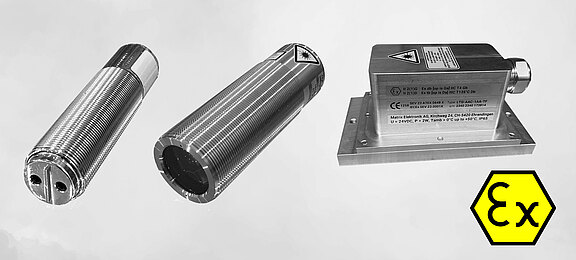
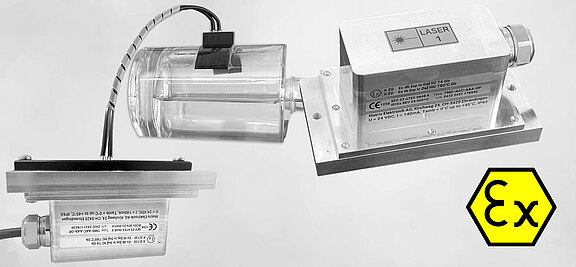
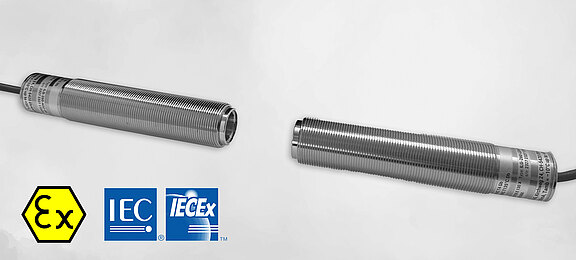
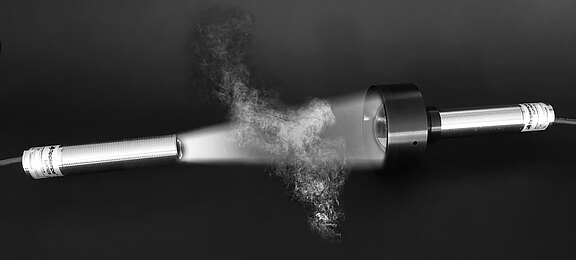


Special trough beam sensors
Product family GL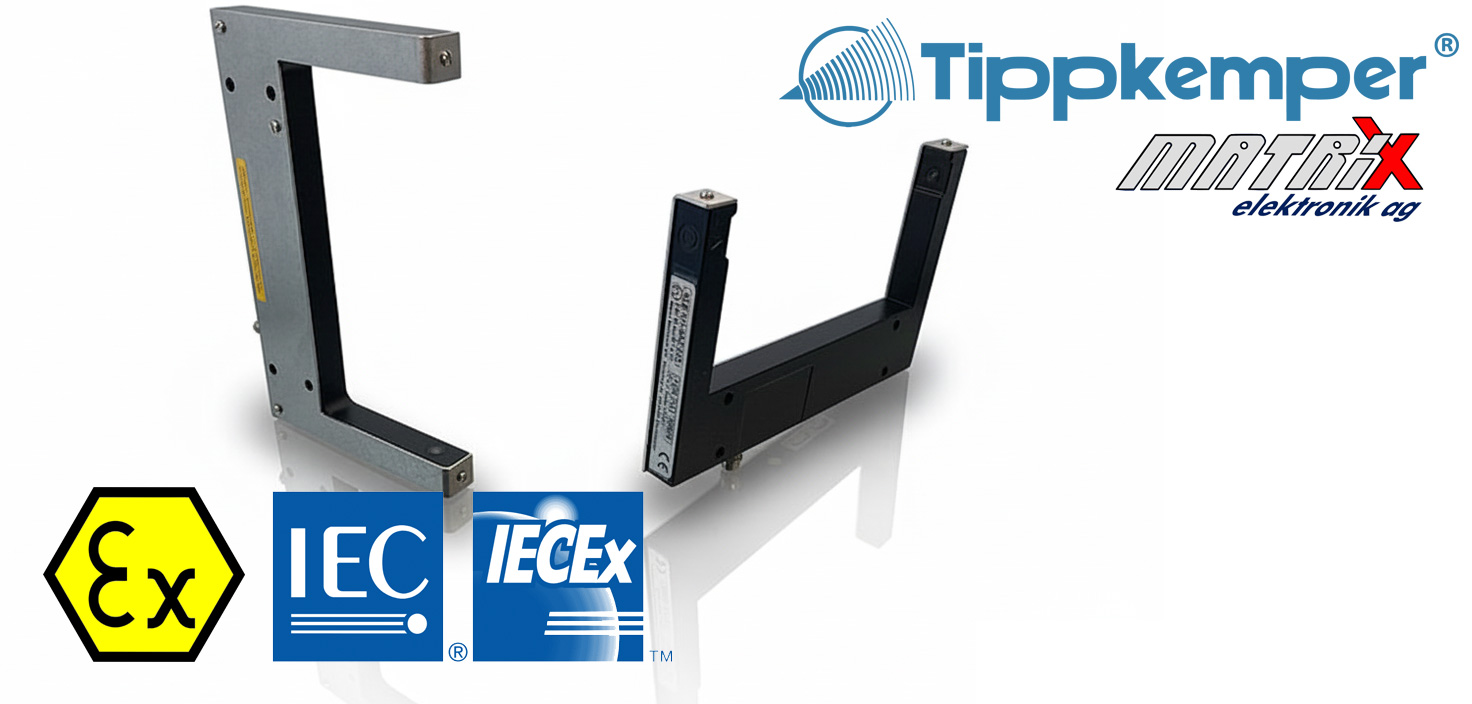
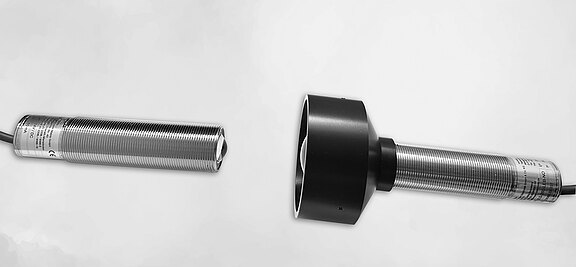
Fork photoelectric sensors are based on the principle of through-beam photoelectric sensors and are delivered fully assembled, with no subsequent adjustments required. They are used in applications where fast and precise detection of small objects or object positions is required, regardless of the surface.
Highlights:
- Excecutions as fork light barriers, directly applicable in ex zone 2
- Fork Openings 120 mm, different excecutions upon request
Applications:
- Presence Controls
- Positioning Tasks
- Jamming Controls
Fork light barriers are extremely versatile sensors used in many industrial applications for precise measurement and control. The following highlights and applications demonstrate their importance in modern industry.
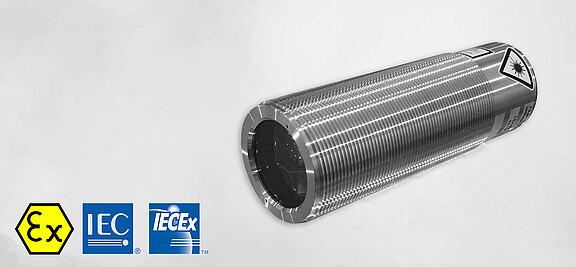
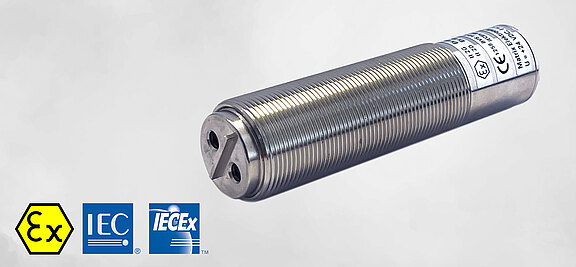
These special fork light barriers are certified for use in Ex Zone 2 and are therefore ideally suited for environments where explosive gases or vapors may occur to a limited extent. The Ex Zone 2 certification ensures safety in potentially hazardous environments.
The standard fork width of these sensors is 120 mm, which is sufficient for many applications. However, other fork widths are available upon request for specific requirements. This allows for a customized solution tailored to individual tasks.
Fork light barriers are highly versatile and are used in a wide range of applications: -
Presence detection: In production facilities, fork light barriers are often used for presence detection of objects or parts. They reliably detect whether an object has passed through the light beam, enabling precise control of production processes.
Positioning tasks: In automation technology, fork light barriers are indispensable for positioning tasks. They detect the exact position of workpieces or moving parts and help implement precise automated processes.
Jam monitoring: In logistics and conveyor systems, fork light barriers are used for jam or blockage detection. By identifying objects or obstructions, they help control material flow efficiently and prevent bottlenecks.